Cultural Art Across the Globe
Art has always been humanity's most honest language. Long before written records, people etched symbols into cave walls, wove patterns into fabric, and carved figures from stone. These were not decorative impulses — they were acts of meaning-making, ways of saying: we were here, this is what we believed, this is how we lived.
Art as a cultural mirror
Every artistic tradition reflects the values, history, and environment of the people who created it. Japanese ikebana — the disciplined art of flower arranging — embodies principles of harmony, balance, and respect for nature. West African kente cloth, woven in vivid geometric patterns, carries symbolic meaning in every colour and motif, with gold representing royalty and yellow evoking fertility. Indigenous Australian dot paintings map ancestral stories onto the land itself. In each case, the art does not merely depict culture — it carries it forward.
When art travels across borders
Cultural exchange has always shaped artistic evolution. The Silk Road carried not just goods but artistic ideas, spreading Persian miniature painting techniques, Chinese porcelain aesthetics, and Byzantine iconography across continents. The result was not dilution but transformation — new hybrid forms that reflected the meeting of worlds. Today, that exchange happens faster than ever. Street art in São Paulo draws on both Brazilian carnival traditions and European graffiti culture. K-pop music videos fuse East Asian choreography with Western pop production. Global art is increasingly collaborative and cross-pollinated.
Preserving what risks being lost
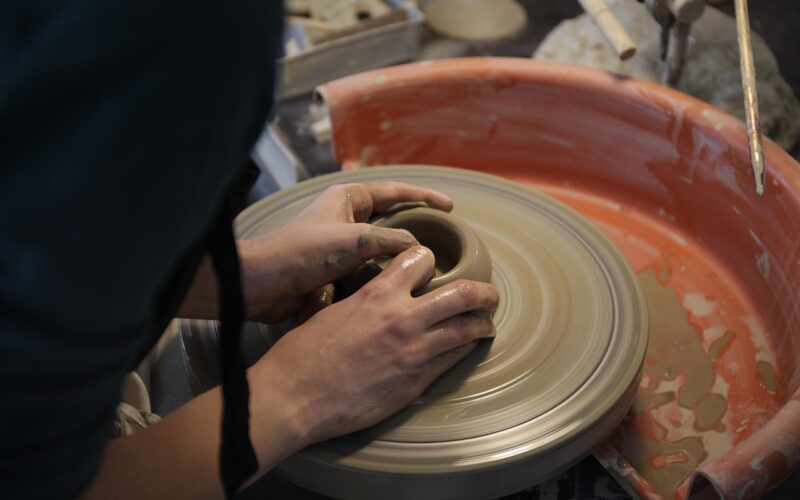
Not all cultural art forms have survived modernisation and globalisation intact. Many traditional crafts — Moroccan zellige tilework, Cambodian silk weaving, Andean textile dyeing — are practised by dwindling numbers of artisans. When a craft disappears, it takes with it an entire system of knowledge: the chemistry of natural dyes, the geometry of traditional patterns, the oral histories passed between generations of makers. Preservation efforts by UNESCO and local cultural organisations work to document and revitalise these traditions, recognising that artistic heritage is not a relic — it is a living resource.
Art, identity, and belonging
For diaspora communities around the world, cultural art serves a deeply personal function. It connects people to homelands they may never have visited, preserves languages spoken by grandparents, and asserts identities that dominant cultures have sometimes tried to erase. The Harlem Renaissance, for example, was a deliberate artistic movement through which African American writers, painters, and musicians reclaimed narrative power during an era of systemic oppression. Art, in this context, becomes both resistance and restoration.
What contemporary art tells us about the world today
Today's most compelling artists are often those working at the intersection of traditions. Nigerian-British sculptor Yinka Shonibare explores colonialism and cultural identity through Victorian dress and African wax-print fabric. Taiwanese-American artist Tehching Hsieh made durational performance work that challenged Western conceptions of time and endurance. These artists do not simply represent their cultures — they interrogate them, complicate them, and expand what is possible within them. That tension is where contemporary cultural art is at its most powerful.
A world expressed through art
Across centuries and continents, art remains one of the most reliable ways to understand how people relate to the world around them. It captures what statistics cannot — grief, joy, spirituality, resistance, and wonder. Engaging with cultural art from outside your own tradition is one of the most straightforward ways to build genuine empathy and curiosity. You do not need to travel to a gallery in another country to begin. A single piece of art, approached with openness, can introduce an entire world.